
Why Rest Alone Is Not Enough After a Concussion and What Recovery Really Requires

For years, concussion care centered on one primary recommendation: rest. While rest is important in the early stages, we now know that complete inactivity is not the full answer. Especially in active mountain communities like Eagle and Summit Counties, the goal is not just symptom reduction. It is safe, structured concussion recovery that restores brain function, balance, strength, and confidence.
Below, Vail-Summit Physical Therapy explains why rest alone falls short, what modern concussion protocol involves, and how proper rehabilitation supports both adults and recovery from concussion child cases.
At a Glance
Rest is important early, but prolonged inactivity can slow concussion recovery.
Gradual, guided activity improves brain healing and reduces lingering symptoms.
A structured concussion protocol includes physical, cognitive, and balance components.
Children require specialized monitoring during recovery from concussion child injuries.
Supervised concussion recovery reduces the risk of prolonged symptoms.
Why Complete Rest Is No Longer the Standard
In the first 24 to 48 hours after injury, brief rest helps calm the brain’s metabolic stress response. However, extended rest in a dark room for days or weeks can actually prolong symptoms.
Research now shows that controlled, symptom guided activity improves blood flow to the brain and supports more efficient concussion recovery. Patients who avoid all activity often report:
Persistent headaches
Ongoing dizziness
Sleep disruption
Heightened anxiety about returning to normal life
Instead of isolation, today’s best practice emphasizes a structured concussion protocol that gradually reintroduces movement and cognitive demand.
What Modern Concussion Recovery Really Involves
True concussion recovery addresses more than headaches. A comprehensive plan may include:
1. Graded Aerobic Exercise
Light cardiovascular activity, introduced carefully, can regulate brain blood flow and reduce symptom persistence. This is especially important in athletes eager to return to skiing, biking, or team sports.
2. Vestibular and Balance Therapy
Many concussions affect the inner ear and visual system. Targeted therapy can reduce dizziness, motion sensitivity, and instability. This component is often critical for safe recovery from concussion child athletes returning to school and sports.
3. Visual and Oculomotor Rehabilitation
Eye tracking and visual coordination frequently suffer after concussion. Therapy can retrain these systems to improve reading tolerance and reduce headaches.
4. Gradual Cognitive Return
Returning to school or work requires its own structured plan. A formal concussion protocol outlines when to increase screen time, homework, or professional responsibilities.
Why Children Need Specialized Care
The recovery from concussion child population requires careful monitoring. Children and adolescents are still developing neurologically, which makes appropriate progression essential.
In youth athletes, pushing too fast can increase risk. Waiting too long can also delay progress. A pediatric focused concussion protocol balances safety with structured activity.
Parents searching for physical therapy near me often assume rest is enough. In reality, guided recovery from concussion child cases reduces long term symptoms and supports a safer return to learning and play.
The Goal: Safe Return to Life and Sport
The purpose of structured concussion recovery is not simply symptom suppression. It is restoring full brain function, physical stability, and confidence.
For both adults and recovery from concussion child patients, a personalized approach ensures activity is introduced at the right time and intensity. Every progression should follow an individualized concussion protocol tailored to symptoms and goals.
Why the Right Approach Matters in Mountain Communities
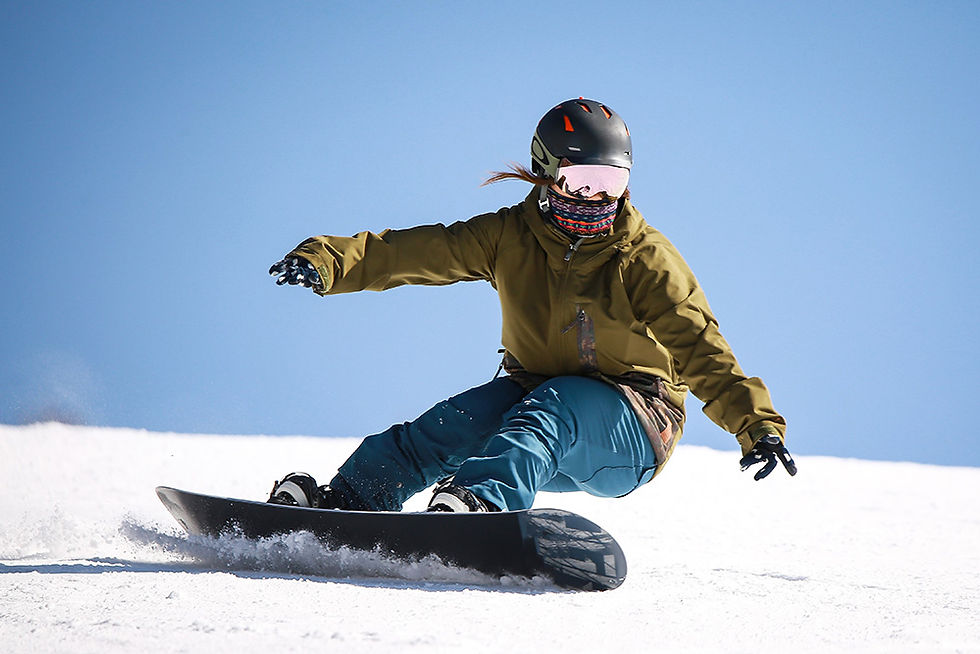
In Eagle and Summit Counties, concussions often occur during skiing, snowboarding, mountain biking, and youth athletics. Returning safely requires more than waiting it out.
At Vail Summit Physical Therapy, our clinicians provide evidence based concussion recovery plans designed to move patients forward safely and efficiently. Whether supporting adult athletes or guiding recovery from concussion child cases, we emphasize education, measurable progress, and individualized care.
If you or your child has sustained a concussion and symptoms are lingering, structured rehabilitation may be the next step toward full recovery.
Your brain deserves more than rest alone. Contact us today!

Comments